HO – REN – SO: Report – Inform – Consult
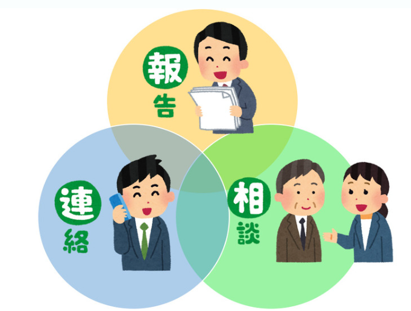
Ho-Ren-So is a Japanese workplace communication principle that emphasizes Report, Inform, and Consult to reduce errors, improve efficiency, and build trust within the organization, enabling supervisors to monitor progress and resolve issues promptly.
WHY ! HO REN SO ?
Reduce Errors: Frequent reporting and consultation help
identify problems early.
Improve Workflow: Supervisors can make timely decisions
and provide prompt support.
Build Trust: Demonstrates accountability and transparency
in the workplace.
When Do We Use Ho – Ren – So ?
When work is completed or to report progress
When changes to the work process are necessary
When problems occur during work
When abnormalities are detected
When errors occur
When there is useful information to share
Houkoku (報告) Reporting the progress, status, results, or issues of assigned work to supervisors or relevant personnel. It is a formal communication process that keeps supervisors informed and aware of the work situation at all times.
What to Report
Progress Reporting – Provide regular updates on work progress.
Issue Reporting – Report problems promptly and transparently without concealment.
Result Reporting – Report the final outcomes or completed results.
-
Key Principles of Reporting
Report to the person who assigned the work.
Provide regular progress updates.
Report accurately and promptly.
Report any unfavorable situation immediately.
Types of Reporting
Verbal Reporting
Used for simple, straightforward matters that require immediate communication.
Written Reporting
Used for complex matters that require documentation or distribution to relevant personnel.
Who, What, When, Where, Why, and How
Renraku (連絡) Informing relevant people of important information in advance or at the appropriate time, such as meeting schedule changes, work deadlines, or new information that may affect other teams. Communication should be shared with the responsible persons, colleagues, customers, partners, or suppliers through verbal communication, telephone, or email.
Inform others of
any changes.
Key Principles of Communication
1. Appropriate Timing
Provide information at the required and appropriate time.
Provide information at the required and appropriate time.
2. Communicate Accurately and Clearly
Provide complete information to relevant persons.
Choose the appropriate communication method. For urgent matters, contact by phone instead
of email.
The Key Point Is:
Always keep others informed of what is happening at work. Don’t wait for someone to ask, as delays may cause issues that become difficult to resolve.
Report clearly, inform consistently, and consult to achieve the best outcomes.
These three principles are the keys to effective workplace communication and success at every level of the organization.
Soudan (相談) Consulting means seeking advice before making a decision, especially on important matters or issues that may affect others. When consulting, you should come prepared with possible solutions or recommendations to discuss and identify the best course of action.
Seeking advice does not mean a lack of ability or confidence. Instead, it demonstrates responsibility, professionalism, and respect for supervisors and colleagues.
Key Principles of Consultation
Consult promptly when you encounter a problem, face uncertainty, or need ideas and guidance.
Prepare your consultation clearly by defining the issue and proposing possible solutions or a plan of action.
Report the outcome promptly once the issue has been resolved.
Precautions for Consultation
Think before consulting. Clearly define the objective, the issue, and the expected outcome before discussing it with your supervisor.
Avoid consulting without prior notice. Schedule or inform your supervisor in advance whenever possible.
Keep an open mind. Do not insist on your own ideas only; be willing to listen to and accept your supervisor’s advice and guidance.
Benefits of Ho-Ren-So (報・連・相) in the Workplace
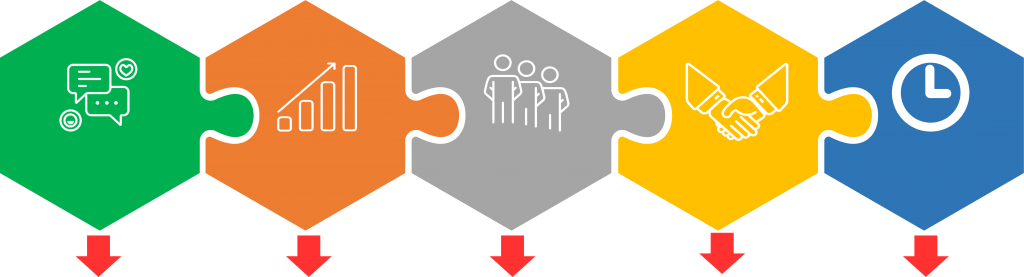
Reduce Errors
and Risks
Improve Work Efficiency
Build a Strong Team
Build Trust
Ensure Smooth and Timely Operations
Progress reporting helps identify problems early before they escalate.
Timely communication enables everyone on the team to respond quickly and continue working without delay.
Consulting when problems arise promotes teamwork and collaboration instead of handling issues alone.
Regular reporting builds supervisors’ confidence in their team’s work.
Clear communication keeps work organized and helps ensure assigned tasks are completed on schedule.